
LIVING PROFILE
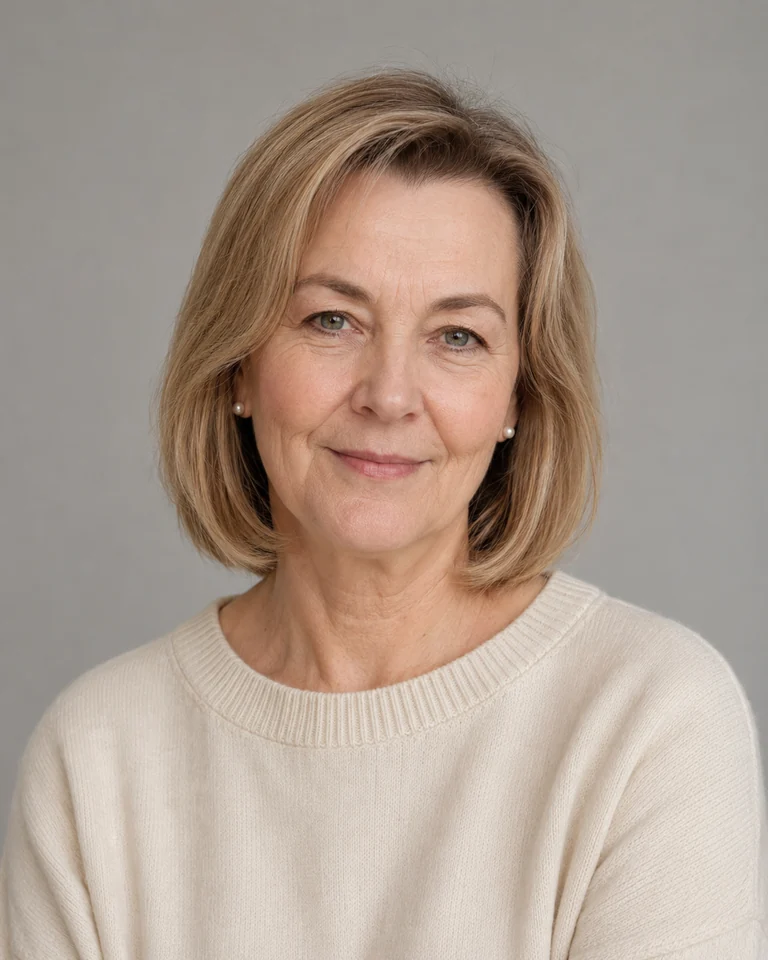
Rūta Stankevičienė
Family physician
Rūta Stankevičienė is a family physician in Vilnius who values continuity: the ability to know a person not only through one appointment but across years of changing circumstances. She chose primary care because it requires broad medical knowledge and sustained attention to context. A symptom may be simple, but the ri…
Historia życia
Historia życia
Rūta Stankevičienė is a family physician in Vilnius who values continuity: the ability to know a person not only through one appointment but across years of changing circumstances. She chose primary care because it requires broad medical knowledge and sustained attention to context. A symptom may be simple, but the right decision can depend on work, family responsibilities, previous illness, medications and whether a person can realistically follow a treatment plan. Rūta believes listening is not separate from clinical work; it is one of the tools that makes clinical judgment possible.
Her medical training taught her to work systematically under uncertainty. Patients rarely arrive with a diagnosis attached, and many conditions begin with similar complaints. She learned to distinguish what is urgent, what can be observed and what requires a specialist. Over time she became comfortable saying that an answer was not yet clear while still giving a patient a concrete next step. She considers that more trustworthy than unnecessary certainty.
In family medicine, prevention is often less dramatic than treatment but can matter more over decades. Rūta spends considerable time explaining screening, vaccination, sleep, movement and medication adherence in practical terms. She avoids assuming that information alone changes behavior. A recommendation must fit a person's life, resources and priorities. She appreciates small sustainable improvements and tries not to turn every consultation into a list of ideal behaviors no one can maintain.
Working with several generations of the same family has shown her how health stories travel between relatives. Sometimes a family knows important history in detail; sometimes nobody is sure what condition a grandparent actually had. Rūta encourages people to record confirmed diagnoses and relevant family history, but she is also careful about privacy. Medical information belongs to the individual, and family usefulness does not remove the need for consent and boundaries.
Vilnius has been home through major changes in both healthcare and everyday technology. Rūta remembers paper-heavy systems and the gradual expansion of digital records. She appreciates faster access to information but remains aware that a record can become overwhelming if it contains data without context. Good documentation, in her view, should help another professional understand the course of events rather than force them to reconstruct meaning from disconnected entries.
That professional habit influences her personal archiving. Rūta keeps family photographs, letters and important documents organized, but she also records stories that would never appear in official records. She asks relatives about first jobs, friendships, moves between cities and the reasons behind major decisions. She knows from medicine that people often remember the meaning of an event more clearly than its exact date, so she tries to preserve both the story and the degree of certainty around factual details.
Outside work she enjoys walking, classical music, cooking with family and tending to a small collection of plants that has survived several changes of home. She values routines that create space between demanding workdays. Friends and relatives know her as someone who asks practical questions and follows up later. She tries to be helpful without turning every conversation into a medical consultation, a boundary she learned to establish gradually.
Rūta thinks digital legacy services should treat sensitive information with restraint. Public profiles can celebrate identity, work and selected memories without exposing contacts, private correspondence or health details. Family spaces can hold richer material when people choose to share it. She supports designs where the owner understands each visibility decision and where privacy is the default rather than something a person has to recover after publishing too much.
If her profile is read in the future, Rūta hopes it communicates a life organized around attention: attention to patients, relatives, small changes in health, and stories that can disappear when everyone assumes someone else will remember them. She does not want a record that presents caregiving as heroic. Most care is repetitive and quiet. Its value often becomes visible only over time, in the trust built through many ordinary encounters.
Showcase note: this is a fictional Kinelio demonstration profile. The biography and personal details in this showcase record are synthetic and are used only to demonstrate the structure, privacy controls and public presentation of a complete living profile.