
PROFIL EINER LEBENDEN PERSON
Sviatlana Bielaja
Cultural program coordinator
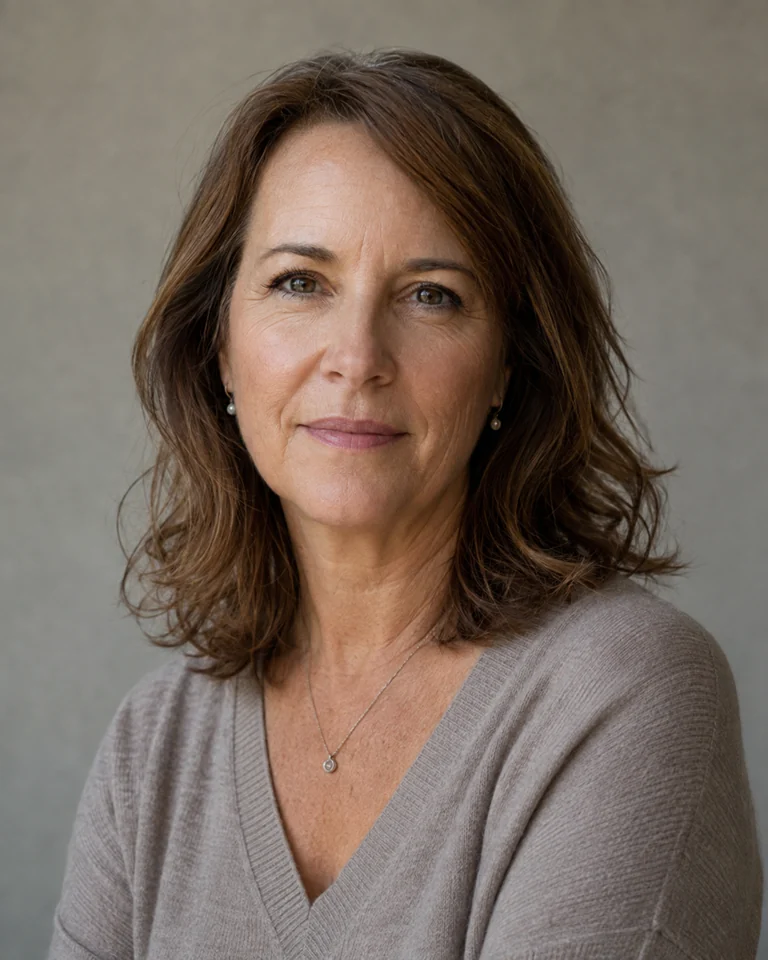
Sviatlana Bielaja is a cultural program coordinator in Vilnius whose work sits between artists, institutions and audiences. She is interested in what happens when people who would not normally meet are given a reason to share a room. A concert, workshop, exhibition or public discussion may last only an evening, but th…
Lebensgeschichte
Lebensgeschichte
Sviatlana Bielaja is a cultural program coordinator in Vilnius whose work sits between artists, institutions and audiences. She is interested in what happens when people who would not normally meet are given a reason to share a room. A concert, workshop, exhibition or public discussion may last only an evening, but the preparation can take months and involve dozens of small decisions. Sviatlana enjoys that invisible structure: finding the right space, matching a format to an audience, anticipating accessibility needs and making sure guests feel that the event was created for people rather than for a schedule.
She entered cultural work through community projects rather than through a single planned career path. Early experience included translation, event assistance, volunteer coordination and practical production tasks. Those roles taught her that cultural work depends on hospitality as much as ideas. A brilliant program can fail if visitors do not know where to go, if information is unclear, or if a newcomer feels that everyone else already belongs. She began paying close attention to the first ten minutes of an event because they often determine whether a person stays curious or becomes uncomfortable.
Over time Sviatlana became responsible for programs involving different languages and age groups. She learned to treat translation as more than replacing words. A title, joke or reference that works in one language may need a different explanation in another. Her goal is not to make every audience experience identical, but to preserve the intention and dignity of the original work. She often asks artists what they most want a visitor to understand, then builds the surrounding communication from that answer.
Vilnius gives her a natural setting for this work because the city contains overlapping histories and communities. Sviatlana likes projects that make those layers visible without turning them into decoration. She has helped organize small oral-history evenings, neighborhood walks and workshops in which participants brought family photographs or objects and explained the stories attached to them. She is especially interested in memories that do not appear in official archives: migration between towns, mixed-language households, changing professions and the ordinary rituals that families carry from one place to another.
Her own family history has made her sensitive to how identity can be simplified when records are incomplete. Names may appear in different spellings, places may change administrative borders, and family members may describe the same period in very different ways. Rather than forcing a single clean narrative, she prefers to preserve context. When she labels family material, she notes alternate names and uncertain dates. She believes an honest archive can include ambiguity as long as it clearly distinguishes what is known, remembered or still being researched.
Outside work she enjoys music, long conversations over tea, second-hand bookshops and photographing handwritten signs before they disappear. She keeps tickets and small printed programs from events that mattered to her, even when the paper itself has little value. These objects serve as prompts. One piece of paper can bring back the people who were present, the weather that day, a difficult conversation or a new friendship that began unexpectedly.
Sviatlana is practical about technology. She uses digital tools extensively for planning and communication, but worries when important cultural records live only in temporary social-media posts or personal accounts. She prefers systems where material can be exported, described and handed to another person. In her view, preservation is not simply keeping files. It means keeping enough structure around the files so that someone else can understand why they mattered.
Her approach to privacy is equally deliberate. Public cultural work can create pressure to share everything, yet Sviatlana believes people need meaningful control over which parts of their lives are visible. She is comfortable presenting professional history and selected personal stories publicly while reserving family relationships, private messages and sensitive memories for smaller circles. She sees this not as secrecy but as good stewardship: different stories belong in different rooms.
In a long-term personal archive, Sviatlana wants future readers to encounter a network rather than an isolated biography. She would like them to understand the languages, cities, collaborators, relatives and cultural spaces that shaped her. She also wants room for other people to add memories, because no person sees their own life from every angle. For her, legacy is partly the ability to leave useful connections behind so that someone can continue exploring instead of receiving a finished, closed version of the past.
Showcase note: this is a fictional Kinelio demonstration profile. The biography and personal details in this showcase record are synthetic and are used only to demonstrate the structure, privacy controls and public presentation of a complete living profile.